
ASSET INSPECTION
RGB, thermal, LiDAR and mission-selected sensing for structures, conductors, substations and distributed assets.

Observe. Detect. Prioritize. Act. Verify.
RAVAM GRID™ connects recurring field inspection, vegetation intelligence, asset condition, edge processing and operational workflows in one traceable architecture.
EXPLORE THE OPERATIONAL LOOP →Designed around the operational problem—not one aircraft, sensor or software stack.
RGB, thermal, LiDAR and mission-selected sensing for structures, conductors, substations and distributed assets.
Clearance, canopy, danger-tree and change analysis connected to asset and terrain context.
Local screening, event prioritization and store-and-forward operation where connectivity is constrained.
Combine field observations, weather, terrain, asset condition and operational context to organize attention.
Re-task autonomous systems or schedule repeat inspection after maintenance or mitigation activity.
Preserve source observations, timestamps, model outputs, review status and completion evidence.
RAVAM combines qualitative inspection from RGB and thermal imagery with quantitative analysis from LiDAR and terrain models, then fuses the results into one prioritized operational picture.
Screen imagery for visible and thermal indicators, classify potential issues and add surrounding operational context.
Measure geometry and clearances in 3D so visual findings can be evaluated against physical relationships in the corridor.
Illustrative inspection cases derived from the customer-specific overhead-line AI framework. Findings are used to screen and prioritize attention; final engineering decisions remain with authorized utility personnel.
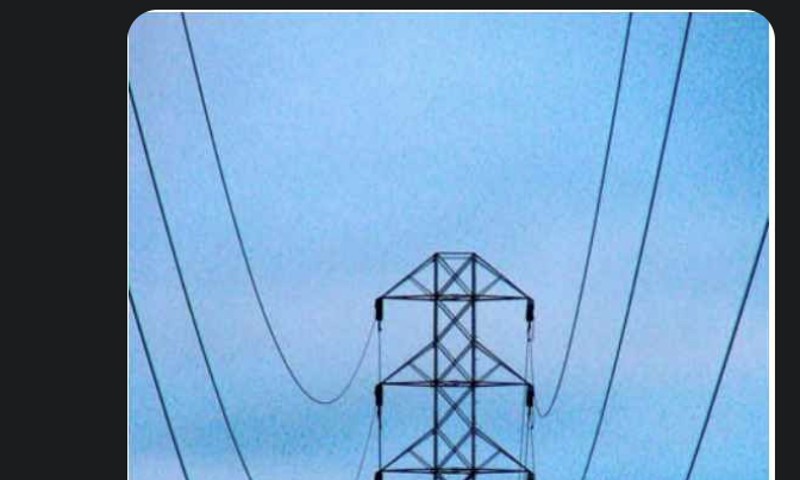
Observed: abnormal span geometry or excessive sag.
Analysis: visual screening + LiDAR catenary measurement.
Action: prioritize engineering review and clearance verification.
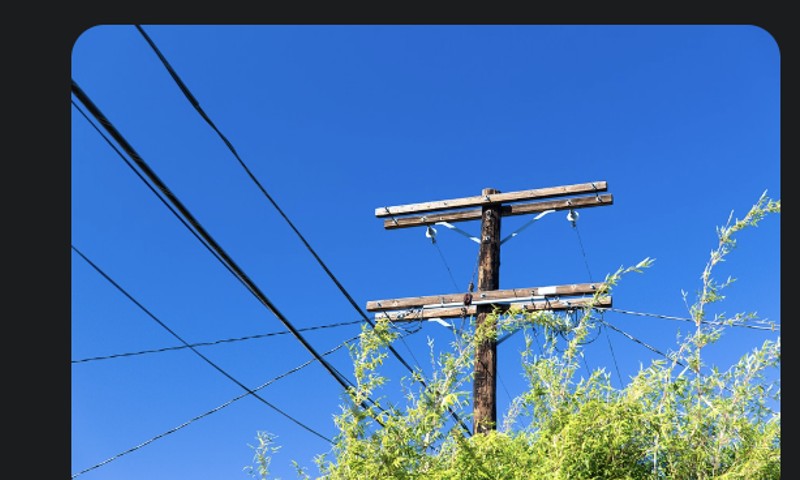
Observed: branches or dense growth near energized conductors.
Analysis: RGB interpretation + 3D clearance measurement.
Action: prioritize vegetation management and follow-up inspection.
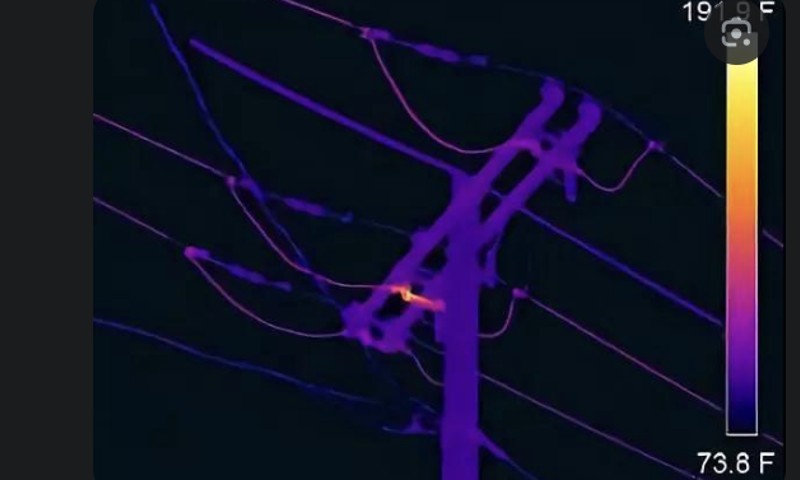
Observed: abnormal heating at a connection or component.
Analysis: thermal anomaly screening with asset context.
Action: escalate for electrical assessment and targeted inspection.
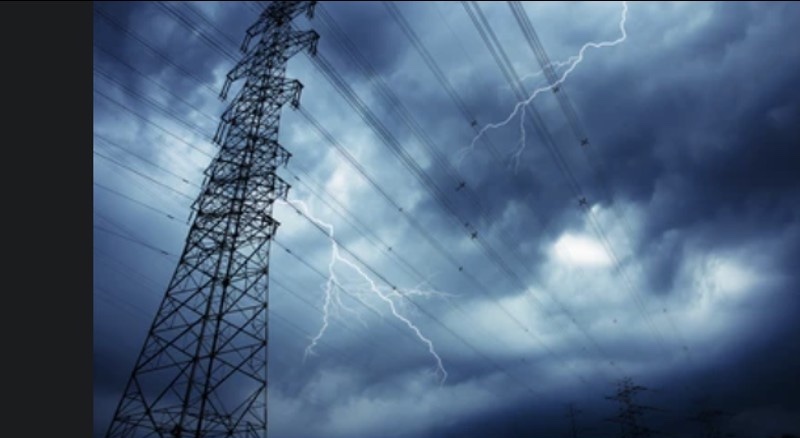
Observed: severe weather exposure, damaged or displaced assets.
Analysis: post-event imagery + geometry / change comparison.
Action: prioritize emergency inspection and restoration planning.
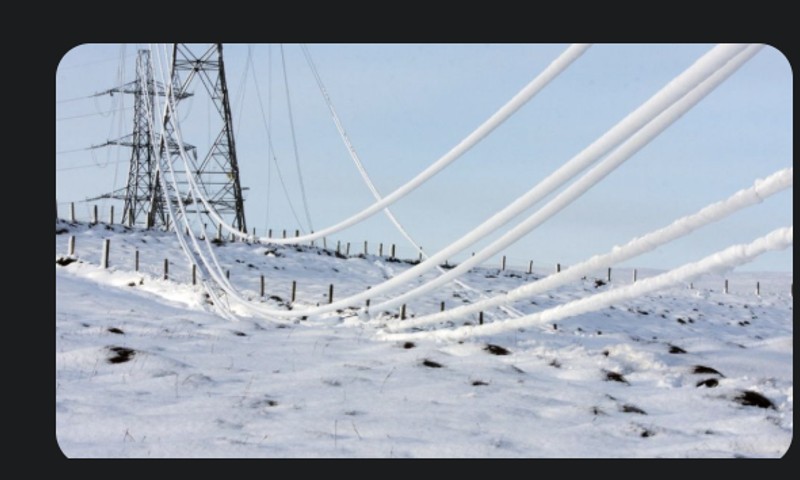
Observed: heavy ice or snow accumulation on conductors and structures.
Analysis: visual condition screening + geometry change assessment.
Action: identify spans requiring rapid engineering attention.
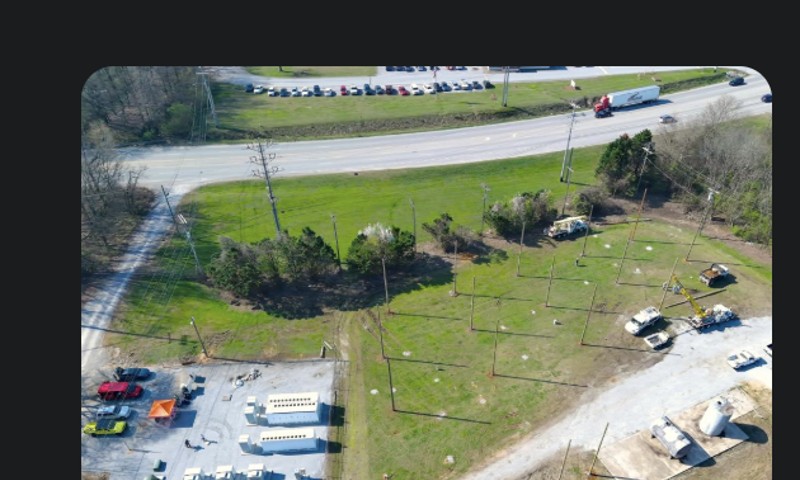
Observed: construction equipment or activity near energized assets.
Analysis: contextual image reasoning + proximity assessment.
Action: flag for operational review, safety response or field verification.
Potential findings can be detected, measured, ranked and documented automatically. Engineering acceptance, maintenance authorization, safety decisions and operating control remain with the utility's qualified personnel and approved procedures.
The value is not only detecting a problem. It is carrying the observation through decision, action and verification.
RAVAM integrates with the operator's existing GIS, imagery repositories, asset-management and maintenance environments rather than requiring wholesale replacement.
Important observations should remain explainable. RAVAM can preserve original source data, location, time, mission, sensor, AI output, confidence, human review and follow-up records as part of the operational history.
RAVAM GRID™ provides decision-support and inspection intelligence. Final engineering, maintenance, safety and operating decisions remain with authorized personnel and the operator's required procedures.
Deploy a contained inspection area, define measurable outcomes, connect the workflow and expand after performance is demonstrated.